Electric Actuators
Multi-Turn Electric Actuator


Description
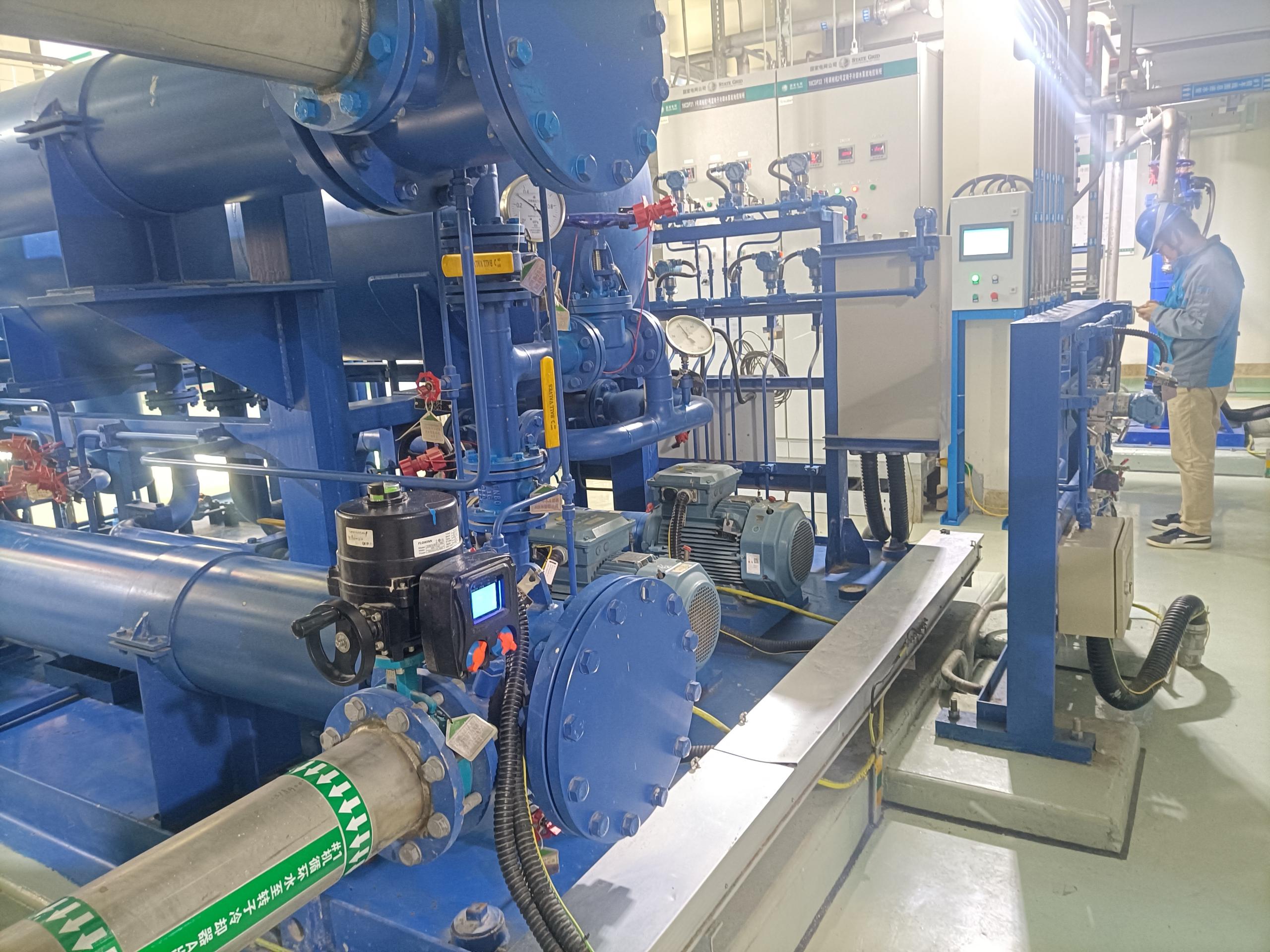
FlowInn new ranges guarantees the essential functions required to operate a valve or a damper in moderate environmental and operational constraints.
Standard Specification
Torque Range | Standard Models:– 50 Nm to 20,000 Nm (Newton-meters) – Higher torque variants (up to 40,000 Nm) for large gate valves or globe valves |
Type of Controls | Control Options:– On/Off (Tri-state control) – Open/Stop/Close with relay feedback.– Modulating (Analog/PROFIBUS-DP) – 4-20mA or 0-10V input for precise positioning.– Digital (Smart) Controls – Integrated HMI, Bluetooth/Wi-Fi (optional), with real-time diagnostics.Fail-Safe Modes:– Battery backup or spring-return (for critical shutdown). |
Duty & Modulating Classification | Duty Classification (IEC 60034):– S1 (Continuous Duty) – 100% duty cycle for constant operation.– S2 (Short-Time Duty) – 15-60 mins at peak torque.Modulating Performance:– Linearity: ±0.5% to ±2% (high-end models).– Repeatability: ±0.1% (critical for process control).– Thrust Control: Load-sensitive auto-shutdown to prevent valve damage. |
Product Benefits & Key Features
Advantages:✅ High Thrust Output – Ideal for gate/globe valves requiring linear force. Critical Features:– Manual Override – Foldable handwheel with declutch mechanism. – Explosion-Proof – ATEX, IECEx (Ex d/Ex e) for Zone 1/2. Smart Features: – Torque/position profiling. – Predictive maintenance alerts (vibration, temperature sensors). – Mounting: ISO 5211 direct-mount or flange adapters (NEMA C-face). Additional Notes:– Typical Applications: – Water treatment (sluice gates, large butterfly valves). – Oil & gas (API 6A gate valves). – Power plants (high-pressure steam isolation). Certifications: CE, SIL 2/3, API 607 (fire-safe). |
Product Video
FlowInn new ranges guarantees the essential functions required to operate a valve or a damper in moderate environmental and operational constraints.
FAQ's
An electric actuator is a device that converts electrical energy into mechanical motion. Many industries and applications utilise it for precise control and automation.
Electric actuators are designed to replace traditional manual or pneumatic actuators, offering numerous advantages such as increased efficiency, accuracy, and reliability. They are widely used in manufacturing, robotics, aerospace, automotive, and many more sectors.
These actuators utilise an electric motor to drive the motion of a mechanism or system. They can be controlled electronically through signals from sensors or programmable logic controllers (PLCs), allowing for precise positioning and movement control.
The use cases of electric actuators are vast and diverse. They are in industrial machinery for valve control, conveyor systems for material handling, robotic arms for assembly lines, and even home automation systems for opening and closing doors or windows.
Advantages of an electric actuator:
- Precise control and automation
- Consumes less energy and reduces overall operating costs (making them environmentally friendly and cost-effective in the long run)
- Reliable and durable. It has a longer lifespan than traditional actuation systems due to fewer moving parts and reduced maintenance requirements. It translates into reduced downtime and increased operational efficiency.
- Flexibility in installation options. It can easily integrate into existing setups without major modifications or disruptions.